
Is My Roof Suitable for Solar Panels? A UK Homeowner's Guide
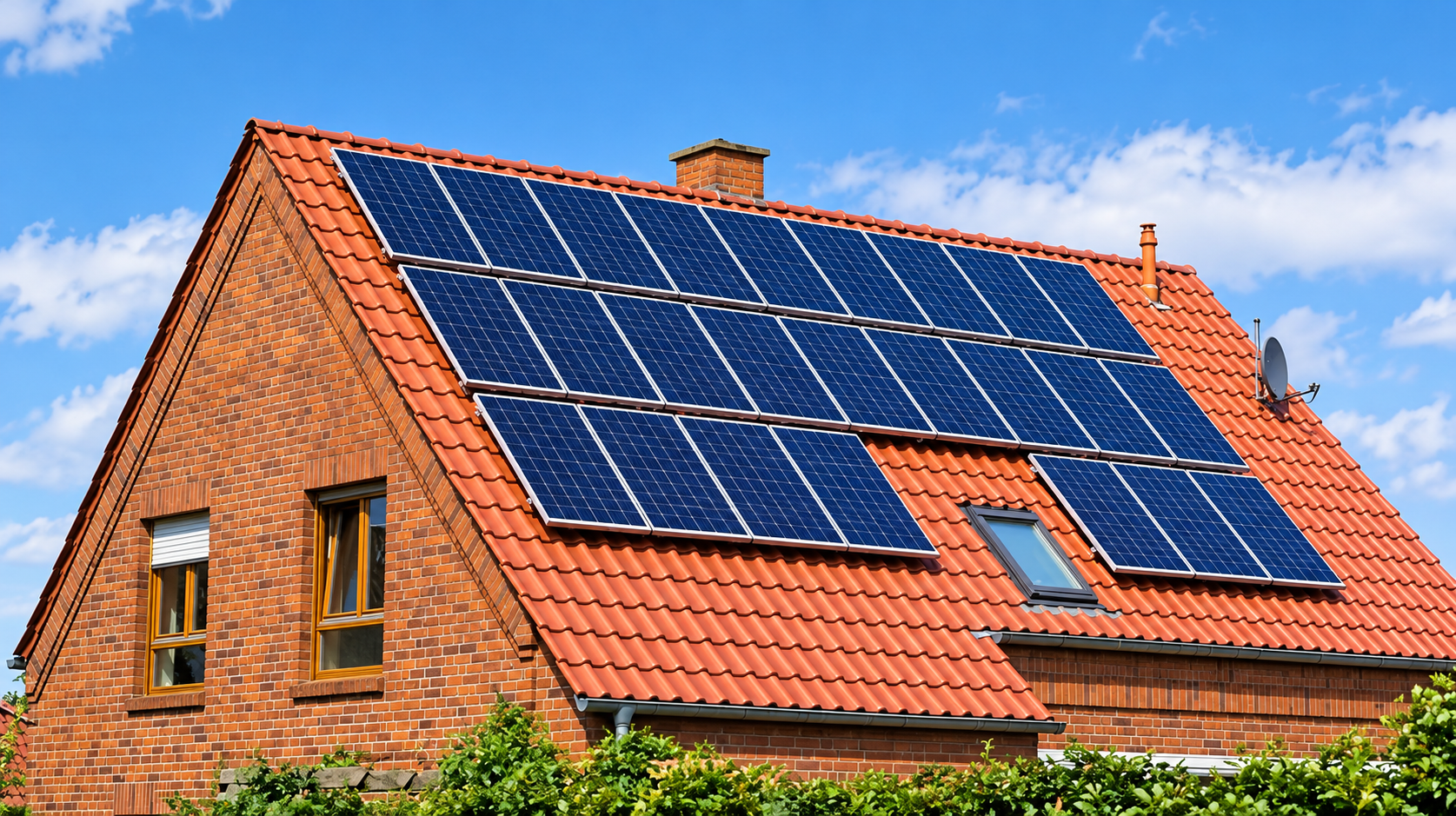
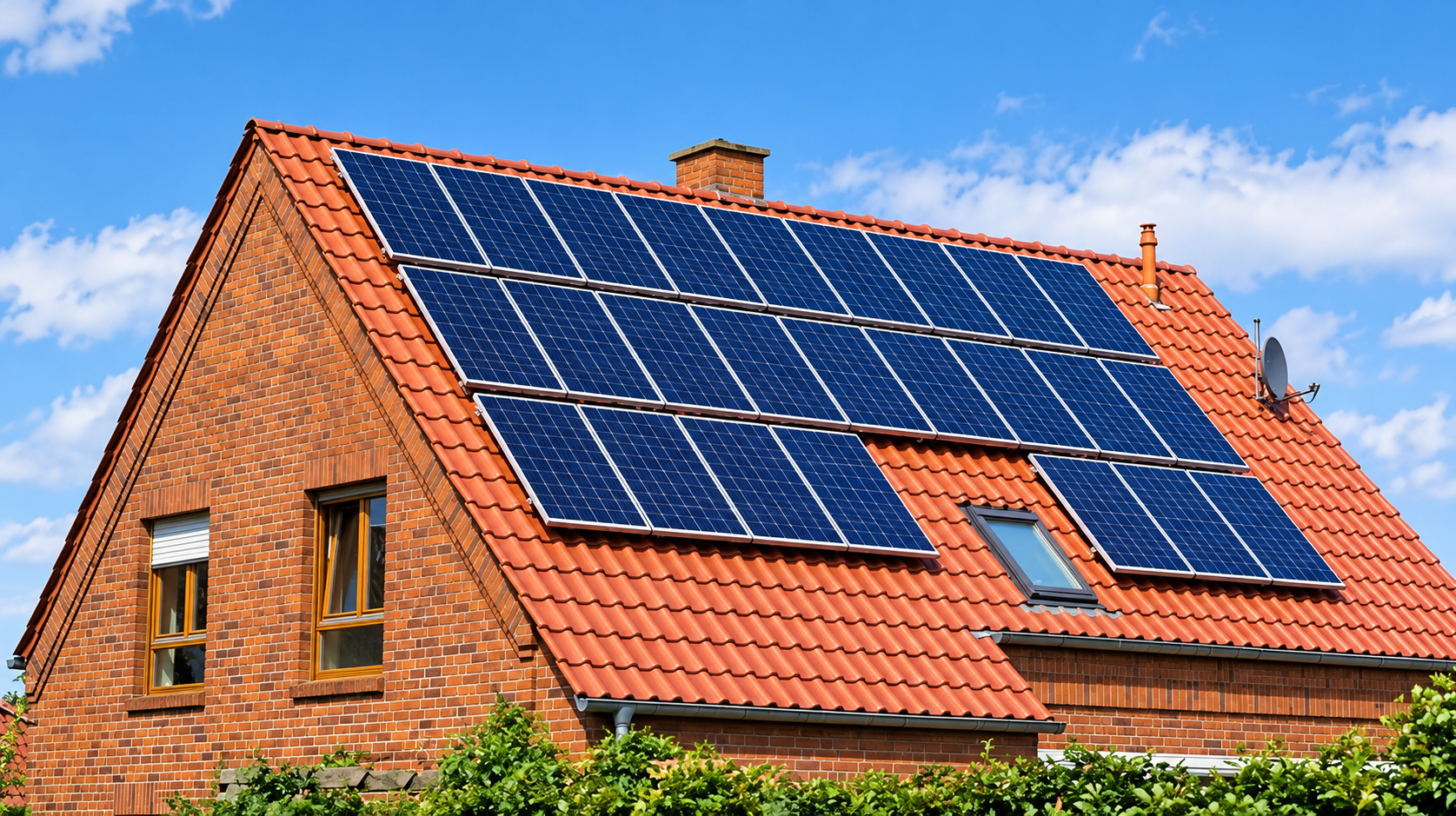
Solar panels can be an effective way to generate electricity at home, but not every roof offers the same conditions for a successful installation.
Before investing in a Solar PV system, it's important to understand whether your property's roof is suitable. Factors such as roof orientation, pitch, available space, shading and structural condition can all influence the practicality of installing solar panels.
In this guide, First-Rate Surveys explains the key considerations homeowners should understand before starting a solar energy project.
1. Roof Orientation: Which Direction Is Best for Solar Panels?
Roof orientation plays an important role in determining how much sunlight solar panels can receive throughout the day.
In the UK, south-facing roofs generally offer the greatest potential for annual solar electricity generation, although other orientations can also be suitable.
South-facing: Generally provides strong overall solar generation potential.
South-east and south-west: Often suitable, with good sunlight exposure.
East-facing: Receives more direct sunlight during the morning.
West-facing: Receives more direct sunlight during the afternoon and evening.
North-facing: Typically receives less direct sunlight and may offer lower generation potential, although suitability depends on the roof pitch and other conditions.
A roof does not necessarily need to face directly south to accommodate solar panels.
During a Solar PV survey, roof orientations can be recorded to help installers assess potential panel positioning and system design.
2. Roof Pitch: Does the Angle Matter?
Roof pitch refers to the angle or steepness of the roof.
The angle influences how directly sunlight reaches the panels throughout the year.
In the UK, roof pitches of approximately 30–40 degrees are often favourable for annual solar generation on south-facing roofs, although this is not a strict requirement.
Shallower and steeper roofs may also be suitable.
A professional roof assessment records the existing roof pitch so that it can be considered during system design.
3. Available Roof Space and Obstructions
Even when a roof has a favourable orientation, the amount of usable space can affect how many solar panels may be accommodated.
Common roof obstructions include:
Chimneys
Skylights and roof windows
Roof vents
Dormers
Aerials and satellite dishes
Hips, valleys and changes in roof shape
These features can reduce the available installation area or influence potential panel arrangements.
A Solar PV survey documents roof dimensions and visible obstructions, providing useful information for subsequent layout planning.
4. Shading: What Could Block Sunlight?
Shading can reduce the electricity generated by solar panels.
Potential sources of shading include nearby trees, neighbouring properties, chimneys, roof structures and other surrounding features.
Shading may also change throughout the day and across different seasons.
For example, a roof that receives direct sunlight during the summer may experience more shading during winter when the sun is lower in the sky.
Identifying potential shading sources during a property survey helps highlight areas requiring further assessment during system design.
5. Roof Condition and Structural Suitability
Before solar panels are installed, the condition of the existing roof should be considered.
Some of the important factors include:
Roof covering material
Visible tile or slate damage
Signs of deterioration
Roof age and general condition
Accessible roof structure
Potential maintenance requirements
Solar panels add weight to the roof, and the structure must be capable of supporting the proposed system.
A visual Solar PV survey can identify and document observable concerns. However, it does not replace a structural assessment or confirm the roof's load-bearing capacity.
Where structural concerns are identified, further assessment by a suitably qualified professional may be required.
6. Electrical Infrastructure and Equipment Locations
Roof suitability is only one part of assessing a property for Solar PV.
The existing electrical infrastructure and potential equipment locations also need to be considered.
Relevant factors may include:
Consumer unit location and available capacity
Existing electrical supply arrangements
Potential inverter positions
Proposed cable routes
Roof cable entry locations
Suitable locations for associated equipment
Access and installation constraints
Identifying these details before installation can help installers understand the property's existing conditions and potential challenges.
7. Do I Need a Solar PV Survey Before Getting Quotes?
Many solar installation companies offer their own surveys as part of their quotation process.
However, these assessments are generally carried out to support the company's proposed installation.
An independent Solar PV survey offers a different approach.
Rather than being linked to a particular equipment supplier or installer, an independent survey focuses on documenting the property's existing conditions, roof characteristics, electrical infrastructure and potential constraints.
The resulting survey report can be shared with different installers to support their own design and quotation processes.
An independent survey does not replace an installer's detailed system design, structural verification or electrical testing.
8. How First-Rate Surveys Can Help
First-Rate Surveys provides independent residential Solar PV surveys across Surrey and surrounding areas.
Our surveys focus on gathering and documenting relevant property information, including:
Roof measurements, pitch and orientation
Visible roof obstructions and shading considerations
Roof covering and observable condition
Existing electrical infrastructure
Potential inverter and equipment locations
Proposed cable routes and access considerations
Site photographs and supporting survey notes
Following the survey, customers receive a professional report documenting the findings.
We are independent of solar panel manufacturers and installation companies.
Independent. Clear. Installer-neutral.
Planning a Solar PV Project?
Understanding your property's suitability before committing to solar panels can help you make informed decisions.
First-Rate Surveys provides independent Solar PV surveys, documenting your property's existing conditions and potential constraints.
Visit our Renewable Energy services page to learn more or book your solar PV survey below