
Thinking About an EV Charger for Your Home?
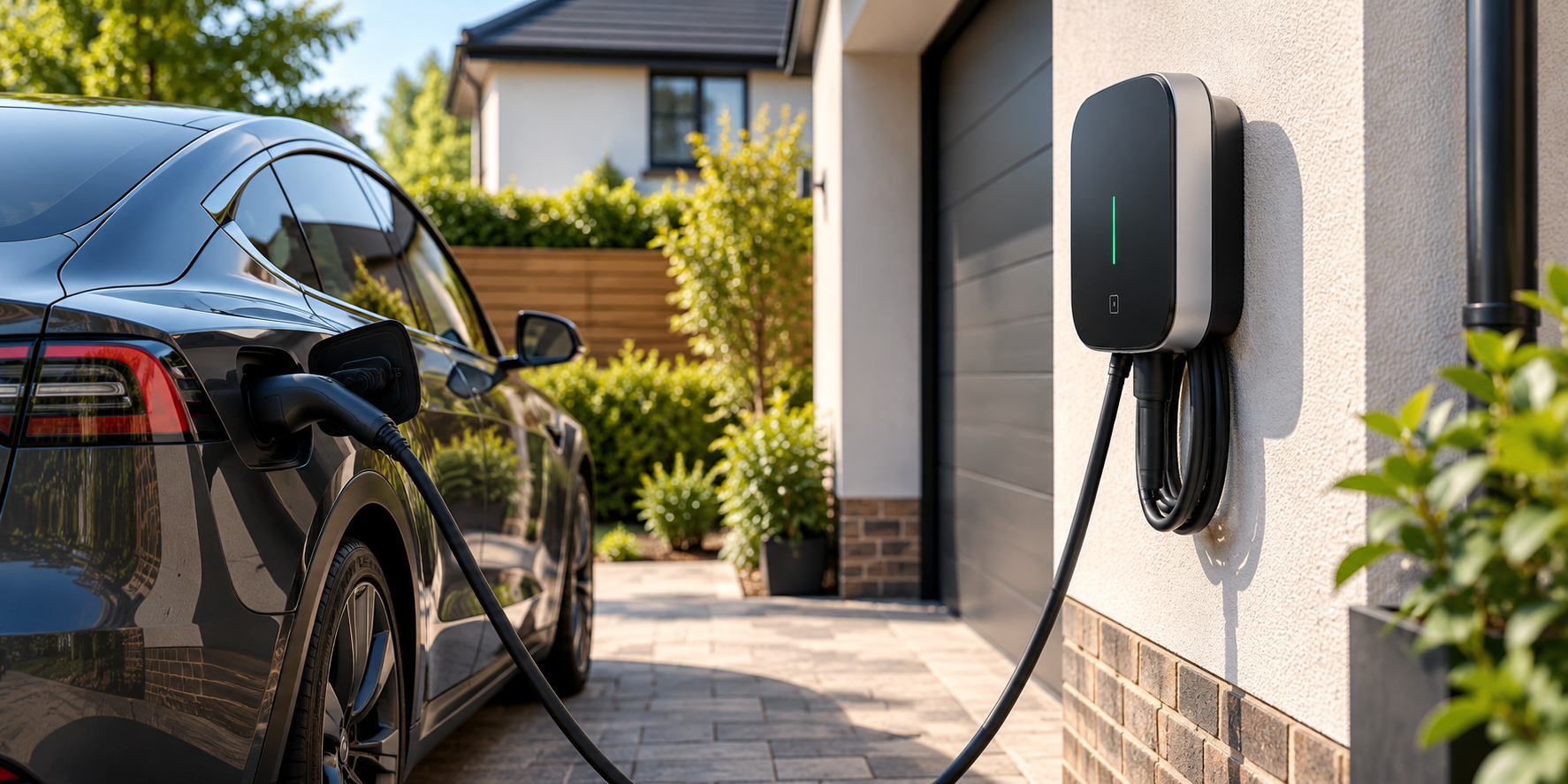
Before investing in a home EV charger, understand your property's electrical infrastructure, parking arrangements, suitable charger locations and potential installation requirements.
First-Rate Surveys provides independent EV charger property surveys across Surrey and surrounding areas, helping homeowners identify potential installation challenges before committing to an installer.
Independent. Clear. Installer-neutral.
Is Your Home Suitable for EV Charging?
Not every property has the same electrical supply, parking arrangements or installation requirements. Understanding these factors can help homeowners make informed decisions before investing in a home EV charger.

Parking & Charger Location
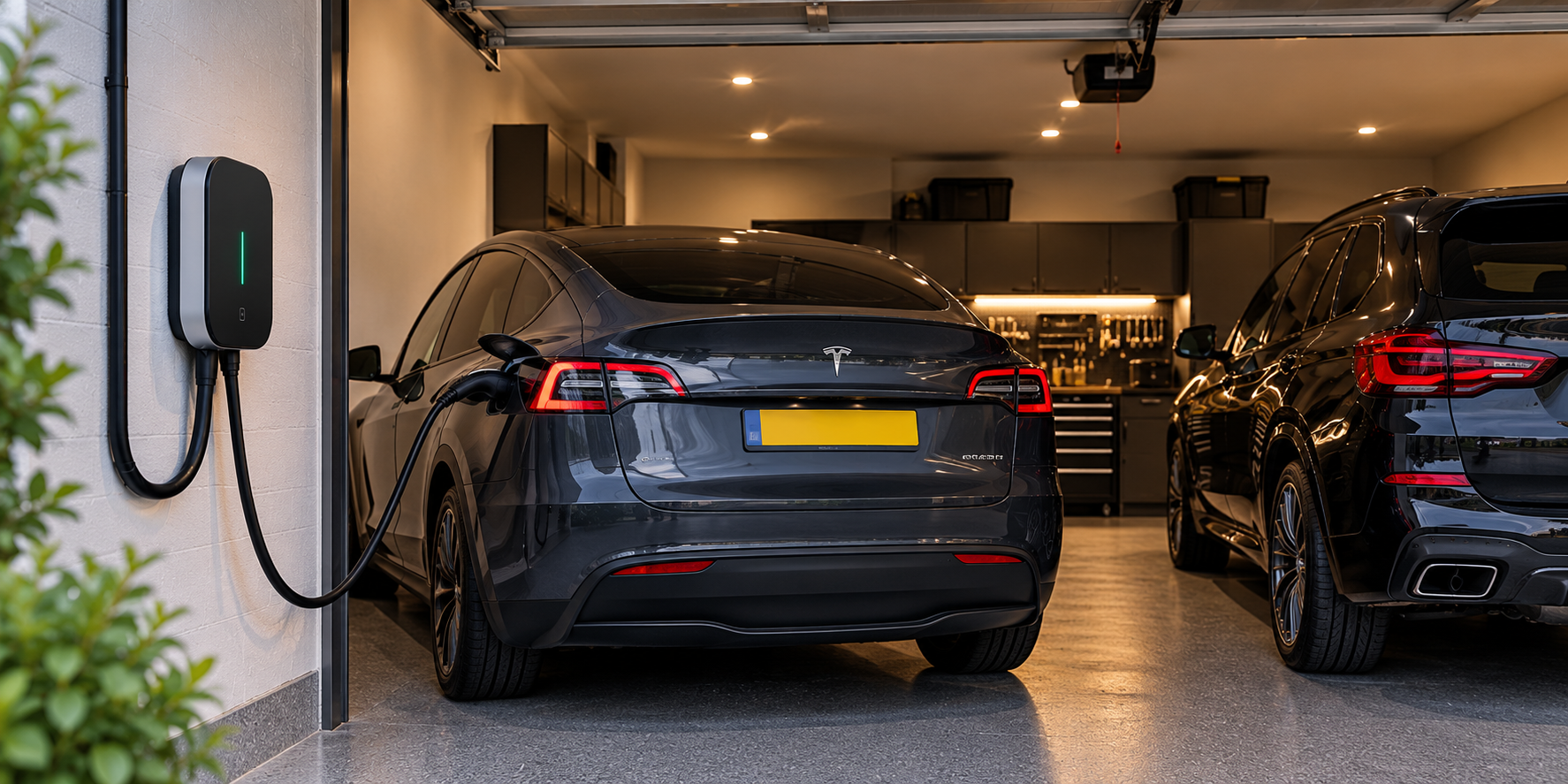
Your parking arrangements, available wall space and distance from the vehicle can influence where a charger could be installed and how conveniently it can be used.

Cable Routes & Installation Access
The distance between your electrical supply and proposed charger location, along with walls, pathways and other obstacles, can affect installation complexity, disruption and potential costs..
Charging Requirements
Your vehicle, daily mileage, charging habits and potential future EV requirements can influence the charger features and charging arrangements that may be appropriate.

Electrical Infrastructure
Your property's electricity supply, consumer unit and existing electrical equipment can influence how a battery storage system is connected and whether additional electrical work may be required.
How Does Home EV Charging Work?
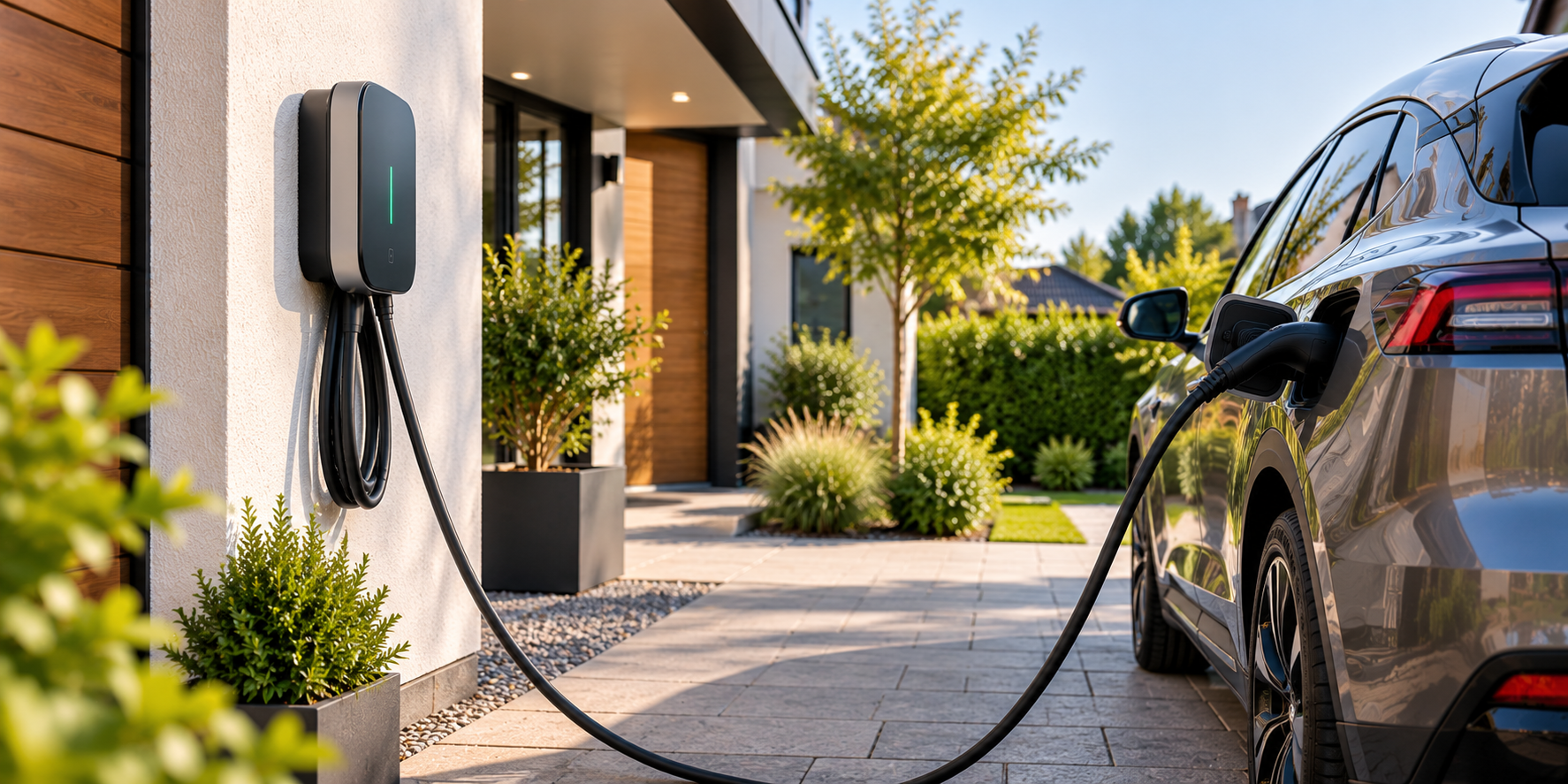
A home EV charger allows you to charge your electric vehicle using your property's electricity supply. It provides a convenient way to charge at home, with charging speeds depending on your electrical supply, charger and vehicle.
A typical residential EV charging system works through three main stages:
1. Supplying Electricity
Electricity is supplied from your property's electrical main connection point to the EV charger through a dedicated electrical circuit, with appropriate protection.
2. Connecting Your Vehicle
The charger connects to your electric vehicle using a charging cable. The charging equipment communicates with the vehicle to control charging safely within the system's operating limits.
3. Charging Your Battery
Electricity is delivered to your vehicle's battery, with charging speed depending on the charger, vehicle capabilities and available electrical capacity. Many chargers also allow scheduled charging to take advantage of cheaper off-peak electricity tariffs.
Why Get an Independent EV Charger Survey?

Avoid Unexpected Costs
Identify potential electrical upgrades, unsuitable locations and additional installation work before accepting a quote.

No Last-Minute Surprises
Spot potential electrical, access and equipment-location challenges early, reducing the risk of unexpected changes, delays and complications.

Protect Your Property
Understand where your EV charger and cables could be installed, helping you avoid unsuitable locations, unnecessary disruption and poorly planned cable routes.
Get It Right First Time
Give your designer and installer detailed property information to support EV selection, connection planning and a smoother installation, reducing the risk of costly changes later.
Plan Ahead. Save Time. Avoid Unexpected Costs.
A successful EV charger installation starts long before the equipment is installed in your home.
Before committing: Identify potential additional costs and installation challenges.
During planning: Give your designer the information needed to plan around your property's requirements.
During installation: Help your installer anticipate access restrictions, cable routes and potential disruption.
For the future: Support a well-planned installation and reduce the risk of avoidable changes or additional work.
Get It Right Before Installation Begins.
Book your independent EV charger survey today and take the first step towards saving time, avoiding unexpected costs and making your installation as straight forward as possible.